Ramair
Ramair Turbo Intake Pipe - Ford Fiesta ST 180 (HP-180)219.11€ VAT included
Ramair
Ramair Turbo Intake Pipe - Ford Fiesta ST 180 (HP-180)219.11€ VAT included
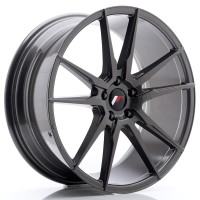
JR Wheels
JR Wheels JR21 20×8.5″ 5x112 ET40 Hyper Gray413.00€ VAT included
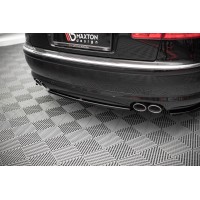
Maxton Design
Maxton Design Rear Splitter for Audi S8 D3 (AU-S8-D3F-RD1G)88.28€ VAT included
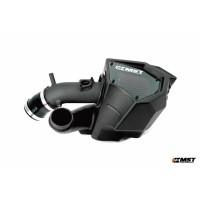
MST Performance
MST Performance Intake Induction Kit for Toyota Corolla Sport 2.0 2020-25 (MST-TY-AUS02)467.13€ VAT included
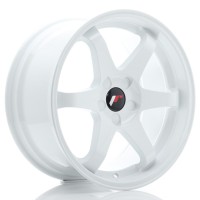
JR Wheels
JR Wheels JR3 18×9″ Blank ET15–40 White295.00€ VAT included
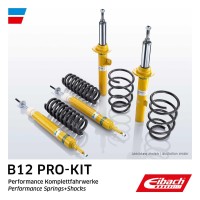
Eibach
Eibach B12 Pro-Kit complete suspension kit VW Tiguan III (CT) (E90-85-064-01-22)1,332.22€ VAT included
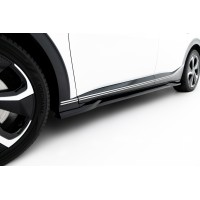
Maxton Design
Maxton Design Side skirts Diffusers Kia EV6 Mk1 (KI-EV6-1-SD1G)197.38€ VAT included
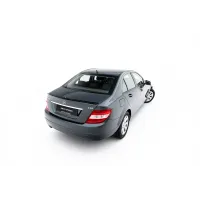
Maxton Design
Maxton Design Spoiler Cap Mercedes-Benz C Sedan Standard / AMG-Line W204 / W204 Facelift (ME-C-204F-AMGLINE-CAP1G)142.83€ VAT included

KW
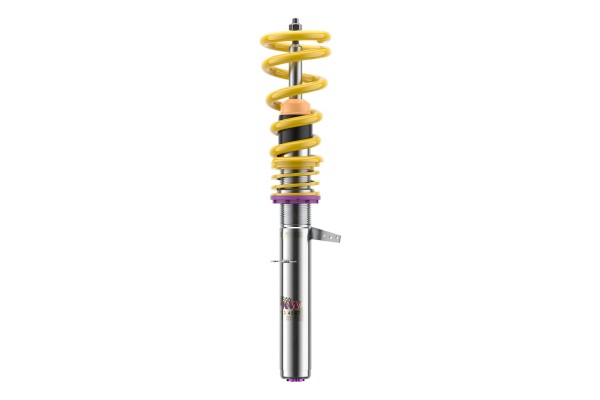
KW Coilover suspension V3 Mini Cooper (J01) (352200FW)2,324.60€ VAT included

Maxton Design
Maxton Design Front Splitter V.1 Citroen DS5 (CI-DS5-1/1F-FD1G)197.38€ VAT included
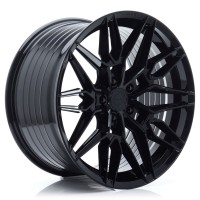
Concaver
Concaver CVR6 22×9.5″ Blank ET14–58 Platinum Black914.50€ VAT included
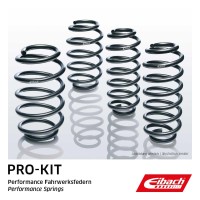
Eibach
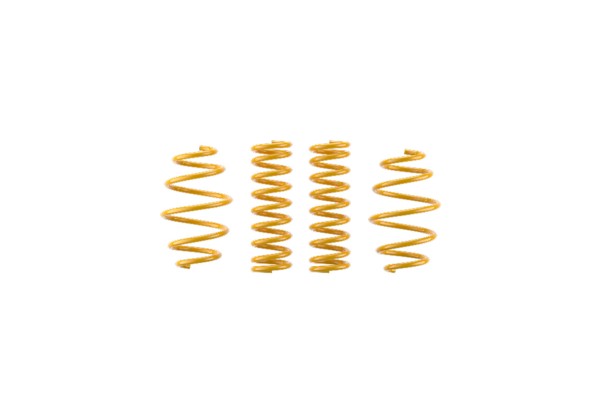
Eibach Pro-Kit lowering springs Renault Talisman Grandtour (RFD) (E10-75-021-04-22)454.30€ VAT included
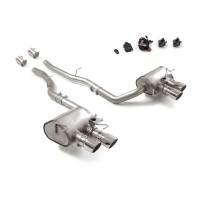
Ragazzon
Ragazzon Stainless steel rear silencer left/right each with round Sport Line tail pipe 2x90 mm staggered (50.1132.58)4,696.40€ VAT included

KW
KW Coilover suspension V2 Mini (F56) (152200DP)1,810.12€ VAT included
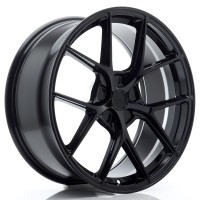
JR Wheels
JR Wheels SL-01 19×8″ 5x120 ET40 Gloss Black395.30€ VAT included
KW
KW Coilover suspension V3 MASERATI 3200 GT (35243001)3,064.46€ VAT included
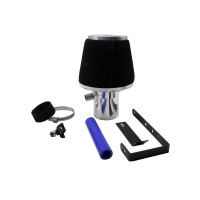
Pipercross
Pipercross Air Intake System PK209 - VAG 1.8 / 2.0125.80€ VAT included
JR Wheels
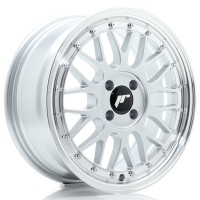
JR Wheels JR23 20×10″ 5x112 ET39 Hyper Silver w/ Machined Lip442.50€ VAT included
Akrapovic
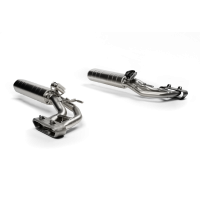
Akrapovič Evolution line (Titanium) for Mercedes-AMG G 63 (W465) (S-ME/T/13H)8,315.46€ VAT included
Concaver
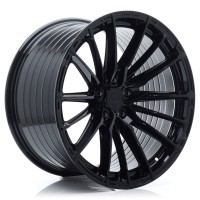
Concaver CVR7 21×11″ 5x112 ET30 Platinum Black885.00€ VAT included
 0 item(s) - 0.00€
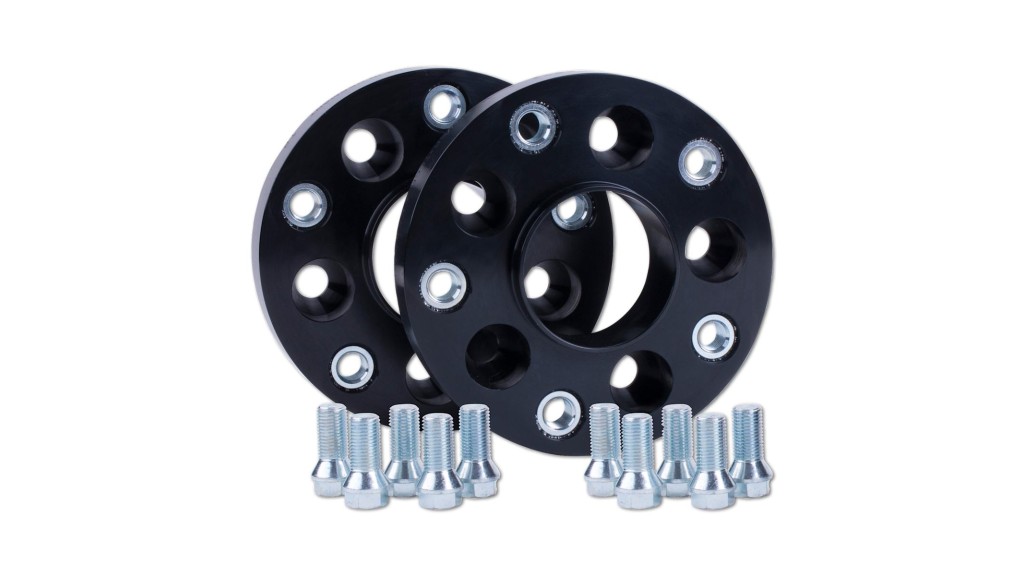
A spacer is a simple part with an unforgiving failure mode, so the two numbers on the box matter more than the price.
Spacers move the wheel outward from the hub. People fit them for two reasons: to fill the arch, and to clear a brake caliper or a wheel that would otherwise foul. Both are legitimate. What is not legitimate is guessing at the numbers.
Bolt pattern. Written as number of bolts times the circle diameter in millimetres — 5x112, 5x120, 4x100 and so on. The spacer has to match your hub, and if you are using a bolt-on spacer with its own studs, the outer side has to match your wheel. These are not close enough to interchange. A 5x112 wheel on a 5x114.3 pattern will bolt up and will not stay bolted up.
Centre bore. The diameter of the hole in the middle. On most cars the hub spigot carries the load and the bolts only clamp; that is what "hub-centric" means. The spacer must sit on the hub spigot, and the wheel must then sit on the spacer's own spigot. If either step is missing, the bolts are carrying shear load they were not designed for, and you will feel it as a vibration long before it becomes a failure.
Thin spacers, roughly up to 20 mm per side, slide over the existing studs or use longer bolts through to the original hub. Thicker ones are bolted to the hub first and carry their own studs for the wheel.
The dividing line is not a style choice. A thin spacer relies on the original bolts still having enough thread engaged in the hub. That is the single most common mistake we see: the spacer goes on, the original bolts go back, and there are now several millimetres less thread holding the wheel. Longer bolts are not an accessory here, they are the part that makes the installation valid.
Whatever thread depth the manufacturer specifies for your car without a spacer, you need the same depth with one. That means bolts longer by the thickness of the spacer. Too short is obvious in hindsight and invisible at the time. Too long is also a problem: on many hubs the bolt will bottom out against the back of the hub face and feel tight while clamping nothing.
Check the thread engagement physically before you trust it. It takes one wheel off and five minutes.
Use the torque figure for your car, applied with a torque wrench, in the proper crossing sequence. Then drive a short distance and check it again. New mating surfaces settle, and a bolt that was correct in the workshop can be loose after fifty kilometres. This re-check is not optional and it is the step most often skipped.
Spacers are inspected items in much of Europe, and what is accepted differs by country and sometimes by the specific combination of wheel and car. Keep the documentation that arrives with the parts. We cannot confirm what will be accepted where your car is registered — check that locally before ordering, not after.
Match the bolt pattern and the centre bore first, then decide on thickness, then order the correct bolts in the same basket. A spacer bought without its bolts is a job you will have to stop halfway through.