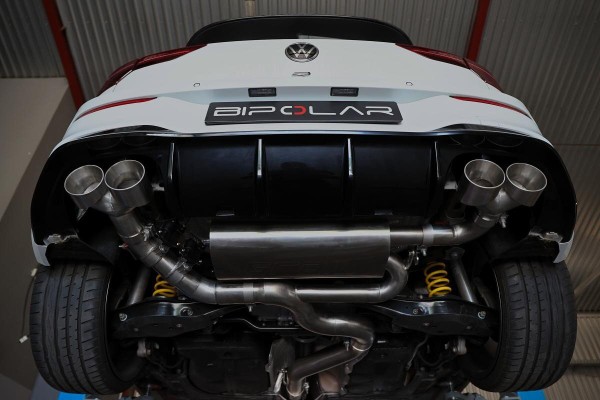
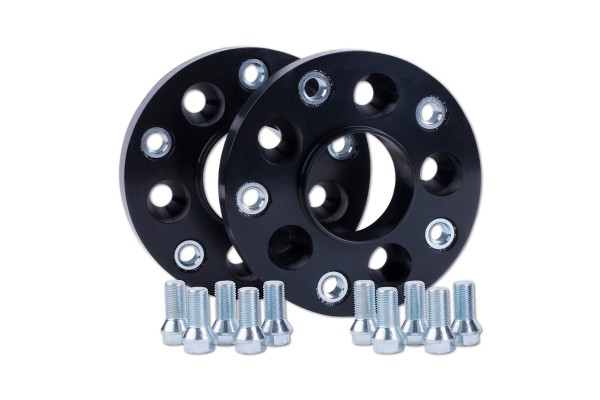
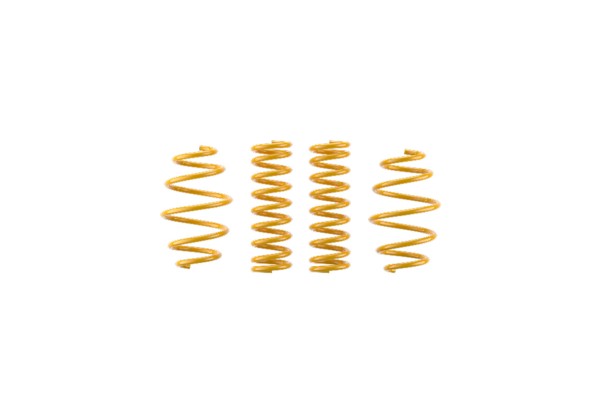
ST
ST Adapter ring (55959026)118.00€ VAT included
ST
ST Adapter ring (55959026)118.00€ VAT included
Milltek
Milltek Sport RH Valved Tailpipe - MSHY109528.45€ VAT included

Pipercross
Pipercross baseplate C606157.49€ VAT included
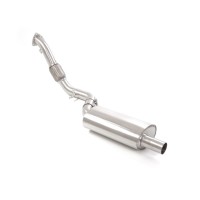
Ragazzon
Ragazzon Stainless steel flexible with front silencer (50.0850.80)778.80€ VAT included

KW
KW HLS 2 height lift PORSCHE 911 (997) (19271229)4,673.98€ VAT included

V-MAXX
V-MAXX Lowering springs VW PASSAT VARIANT (3G5) (35 VW 869)144.75€ VAT included
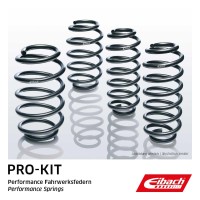
Eibach
Eibach Pro-Kit lowering springs MB AMG C43 Cabriolet/T-Model (205) (E10-25-036-11-22)588.82€ VAT included

Maxton Design
Maxton Design Rear Side Splitters V.2 Seat Leon Cupra Sportstourer Mk3 (SE-LE-3-CU-ST-RSD2G)88.28€ VAT included
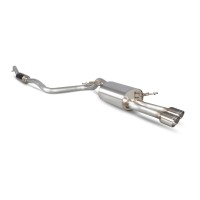
Scorpion
Scorpion Cat-back exhaust system | resonated, Daytona 83mm | for Ford Fiesta Ecoboost 1.0T 100,125 & 140 PS (Zetec S rear valance required) (2013-2017)927.06€ VAT included
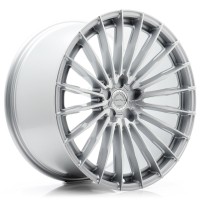
Concaver
Concaver CVR10 22×9.5″ Blank ET14–60 Brushed Silver914.50€ VAT included
V-MAXX
V-MAXX Lowering springs OPEL ASTRA HATCHBACK (L) (35 OP 271)195.69€ VAT included
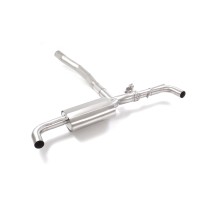
Ragazzon
Ragazzon Stainless steel rear silencer for original aesthetic tail pipes (50.1014.40)1,492.70€ VAT included
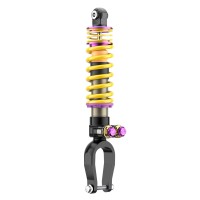
KW
KW Coilover suspension V5 FERRARI (30942020)10,410.77€ VAT included
Vogtland
Vogtland coilover kit - BMW Z3, type R/C, Coupé, Roadster, 85 - 170 kW (968399)904.99€ VAT included
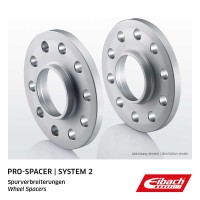
Eibach
Eibach Pro-Spacer wheel spacers 30 mm per axle, 5x112, hub bore 66.5 mm, system 2 (S90-2-15-055)184.08€ VAT included
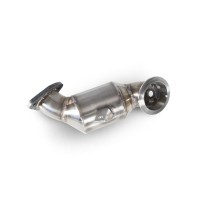
Scorpion
Scorpion Downpipe with high-flow sports catalyst | for Vauxhall Corsa D 1.4 Turbo Black Edition/Astra GTC 1.4 Turbo772.29€ VAT included
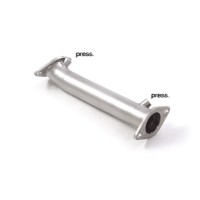
Ragazzon
Ragazzon Stainless steel OPF / GPF filter replacement pipe group n (55.0754.00)318.60€ VAT included
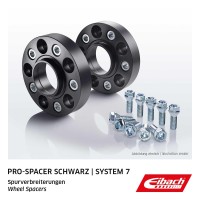
Eibach
Eibach Pro-Spacer wheel spacers 46 mm per axle, 5x130, hub bore 71.5 mm, system 7, black (S90-7-23-001-B)302.08€ VAT included

KW
KW Coilover suspension V3 PORSCHE 911 (997) (35271028)4,193.72€ VAT included
V-MAXX
V-MAXX Lowering springs RENAULT LAGUNA COUPÉ (T) (35 RE 141)160.43€ VAT included
 0 item(s) - 0.00€
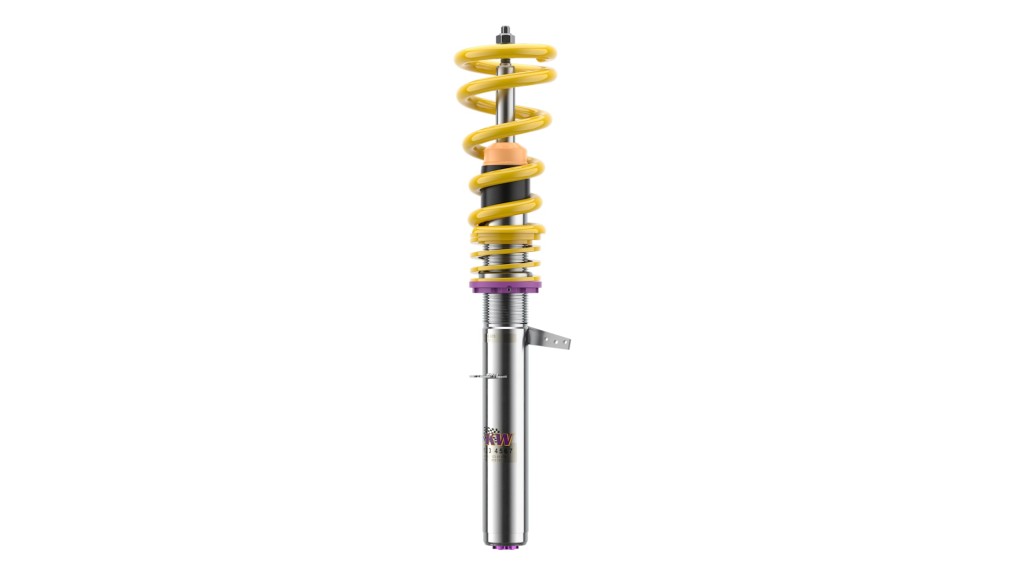
The difference between the three is not how low the car sits — it is how much of the damping you are allowed to touch.
All three lower the car. All three let you set the ride height on the threaded body. If that is all you want, the numbers stop being interesting very quickly and the cheapest one wins. The range exists because damping — not height — is what separates them.
A damper resists movement in two directions. Compression is the wheel moving up into the car, over a bump. Rebound is the wheel coming back down afterwards. They do different jobs and they feel different from the driver's seat.
Rebound is the one you notice. Too little and the car floats and keeps moving after the bump has passed; too much and it feels tied down and skittish over broken surfaces. Compression mostly changes how the initial hit arrives and how much the body dives under braking.
Fixed damping, chosen by the manufacturer for road use, with the ride height in your hands. This covers the majority of road cars honestly and well.
Buy this if the goal is stance and a firmer, more controlled feel, and you have no intention of spending evenings turning knobs. There is no shame in it — a well-valved fixed damper set up at a sensible height is a better car than a badly adjusted three-way kit.
You get one adjuster per damper, working on rebound. This is the step that gives the most real-world return, because rebound is the setting that changes how settled the car feels on the roads you actually drive.
It also lets you compensate for the car changing. Heavier wheels, a passenger load you carry often, a different tyre — all of these shift what the right setting is, and V2 lets you follow them.
Both damper strokes adjustable separately. The reason to buy this is track use, or a car whose setup you intend to develop over time and measure the results of.
The honest warning: two independent adjusters mean you can make the car worse in more ways than you can make it better, and without a baseline you are guessing. If you buy a V3, write down your starting settings before you change anything, change one thing at a time, and drive the same road each time. Otherwise you have bought a V1 with extra knobs.
A coilover does not repair worn bushings, tired top mounts or a bent subframe. If the car already has slop in it, the new damper will report that slop more clearly, not hide it. Replace the mounts and bushings while the suspension is apart — the labour is already paid for at that point.
And whichever you choose, budget the four-wheel alignment. Lowering changes camber and toe, and skipping the alignment is how a new set of tyres gets ruined before the coilovers are properly bedded in.
Approval requirements for suspension differ by country and by part, and the documentation supplied with a kit is what an inspector will want to see. Keep it. We cannot confirm what will be accepted where your car is registered — check that locally before you order.