Eibach
Eibach Pro-Kit lowering springs MB C-Class Sport Coupe (S203) (E10-25-001-08-22)355.18€ VAT included
Eibach
Eibach Pro-Kit lowering springs MB C-Class Sport Coupe (S203) (E10-25-001-08-22)355.18€ VAT included

Milltek
Milltek Sport Downpipe Fitting Kit for Non OPF Cars (MSAU792)34.56€ VAT included
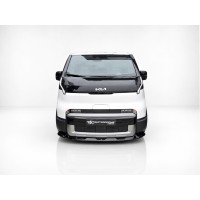
Motordrome Design
Front Splitter Kia PV5 Cargo167.64€ VAT included
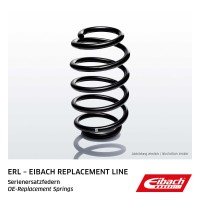
Eibach
Eibach ERL OE replacement spring, front axle - SEAT Leon, SEAT Leon SC ... (R20284)112.10€ VAT included

ST
ST Coilover suspension XA AUDI (1821000N)1,139.34€ VAT included

ST
ST Sport suspension SKODA Octavia II (1Z3) (23282116)574.13€ VAT included
ST
ST Sport suspension AUDI A4 Avant (B5) (23210080)574.13€ VAT included

Maxton Design
Maxton Design Front Splitter Mitsubishi Lancer Sportback Mk8 (MI-LA-8-FD1G)197.38€ VAT included

KW
KW Coilover suspension V1 ALFA ROMEO Giulietta (10215024)1,585.92€ VAT included
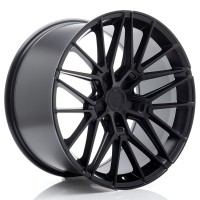
JR Wheels
JR Wheels JR38 20×10.5″ Blank ET15–45 Matt Black460.20€ VAT included
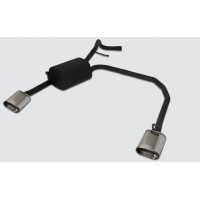
Ulter Sport
Ulter Sport Rear silencer for Skoda Octavia 1996-2004, 95×65 mm, oval, 4, duplex tailpipes (125-404/10-1)466.05€ VAT included
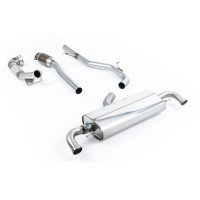
Milltek
Milltek Sport Audi TTRS MK2 2.5L - Turbo-Back Exhaust System with Hi-Flow Sports Catalyst - Uses OE Trims (SSXAU250)3,500.15€ VAT included

KW
KW Race spring (60110210)68.42€ VAT included
Eibach
Eibach Pro-Kit lowering springs VW New Beetle (9C1/1C1) (E10-85-005-01-22)388.22€ VAT included
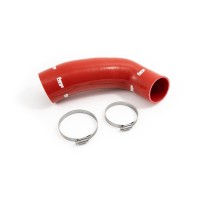
Forge Motorsport
Forge Motorsport Silicone Intake Hose - VAG 2.0 TSI - Red (FMMK7INDH-RED-HC)109.22€ VAT included
Eibach
Eibach Pro-Spacer wheel spacer disc 10 mm, 5x114,3, 5x130, system 2 (S91-2-10-044)126.26€ VAT included
Concaver
Concaver CVR5 20×12″ Blank ET0–42 Custom Finish855.50€ VAT included

Motordrome Design
Front Splitter V.1 Volkswagen T7167.64€ VAT included
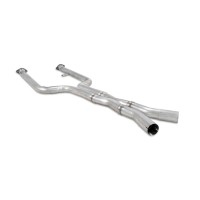
Scorpion
Scorpion GPF delete pipe | for BMW M2 G87 (2022-2026)997.18€ VAT included
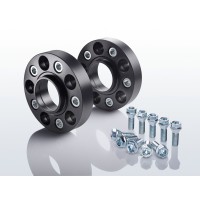
Eibach
Eibach Pro-Spacer wheel spacer disc 35 mm, 5x112, system 7, black (S91-7-35-024-M-B)197.06€ VAT included
 0 item(s) - 0.00€
Both drop the car and both firm it up, but only one of them lets you change your mind afterwards.
Almost every suspension question we get starts the same way: the car sits too high, it leans in corners, and the owner wants it to look and feel like it was finished properly. Two products answer that, and they are not interchangeable.
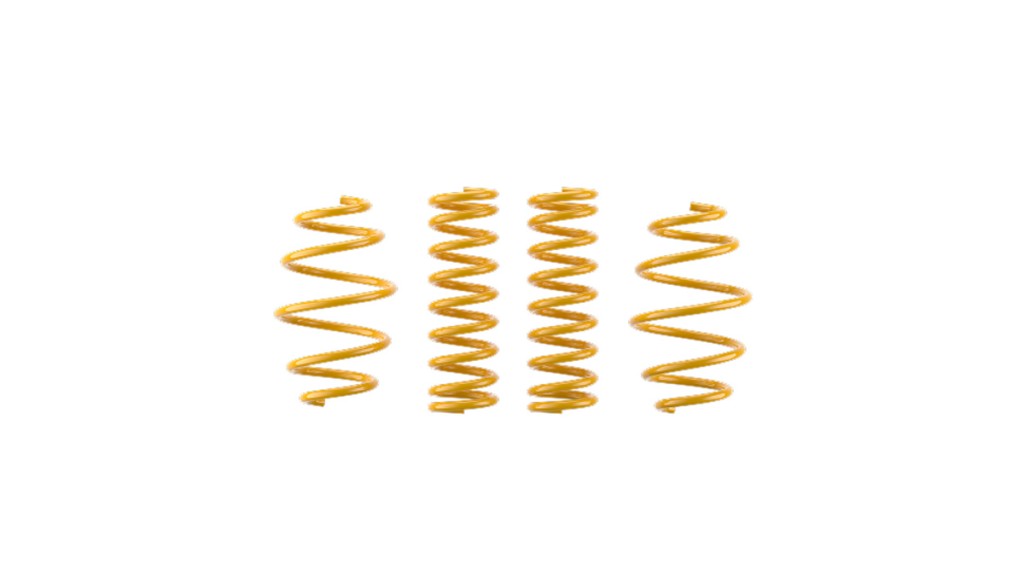
A set of lowering springs replaces the factory springs and keeps your original dampers. The car drops by a fixed amount that the spring maker chose, and that is the amount you get. There is no adjustment.
This is the cheaper route, and for a daily car it is often the right one. The catch is the damper. Factory dampers were valved for factory springs. Put a shorter, stiffer spring on a worn original damper and the damper runs out of travel and dies early — usually within a season or two. If your dampers already have distance on them, budget for replacing them at the same time, or the saving disappears.
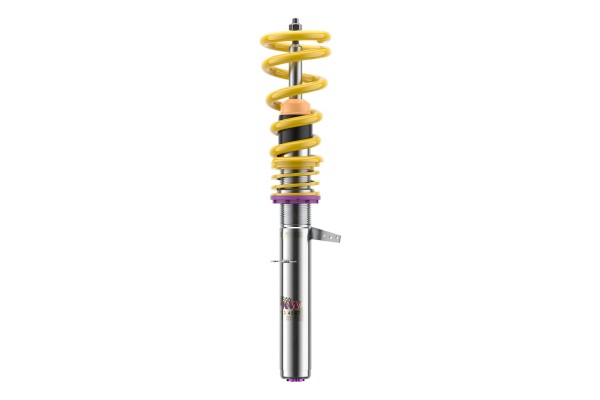
A coilover is a complete strut — spring and damper matched to each other, with a threaded body so you can set the ride height yourself. The better kits add damping adjustment on top.
What you are buying is not simply "lower". You are buying the ability to set the car where you want it, corner by corner, and to change it later. If you fit winter wheels, tow a trailer, or decide after a month that you went too far, a coilover lets you undo it. Springs do not.
Be honest about which of those you will actually use. A three-way kit that never leaves its default setting is an expensive fixed-damping kit.
Lowering a car changes camber and toe. It changes them whether you meant to or not, and the effect on tyre wear is not subtle — a badly aligned lowered car can scrub the inner edge off a set of tyres in a few thousand kilometres. Set aside the cost of a four-wheel alignment as part of the job, not as an optional extra afterwards.
The same goes for anything that limits travel: bump stops, wheel arch clearance and the angle your driveshafts end up sitting at. Going very low is a styling decision with mechanical consequences.
In Europe this matters more than it does elsewhere. Suspension parts carry different kinds of documentation depending on the part and the market, and what a marking means is not the same from one country to another. Check what applies where the car is registered before you order, and keep the paperwork that comes in the box — it is the only thing that will help you at an inspection.
We are not able to confirm the legal status of a part for your specific car and country. That check is yours to make, and it is worth making before the parts arrive rather than after.
Springs if the car is a daily, the dampers are healthy, you want a modest drop and you are done thinking about it. Coilovers if you want to choose the height yourself, if the dampers are due anyway, or if you know you will want to adjust the car as you live with it. The second option costs more at the counter and less in regret.