Concaver
Concaver CVR2 20×10″ 5x112 ET35 Carbon Graphite737.50€ VAT included
Concaver
Concaver CVR2 20×10″ 5x112 ET35 Carbon Graphite737.50€ VAT included
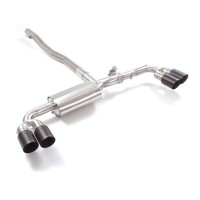
Ragazzon
Ragazzon Stainless steel rear silencer left/right each with round Carbon Shot tail pipe 2x90 mm staggered (50.0917.78)2,588.92€ VAT included
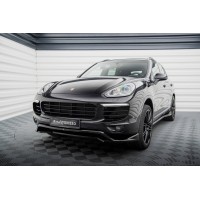
Maxton Design
Maxton Design Front Splitter Porsche Cayenne Mk2 Facelift (PO-CAY-2F-FD1G+FD1RG)246.98€ VAT included
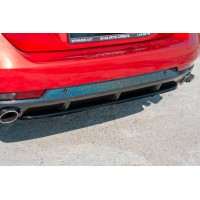
Maxton Design
Maxton Design Rear Splitter(with vertical bars) Peugeot 508 Petrol Mk2 (PE-508-2-GT-SW-RD1+RD2G)176.55€ VAT included
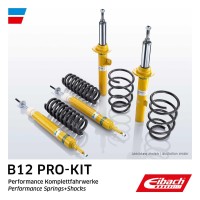
Eibach
Eibach B12 Pro-Kit complete suspension kit Volvo S60 (E90-84-004-02-22)1,426.62€ VAT included
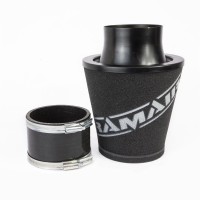
Ramair
JS-175-100-BK-KIT 100mm OD Neck Medium Black Aluminium Base Cone Filter With Silicone Coupler70.19€ VAT included
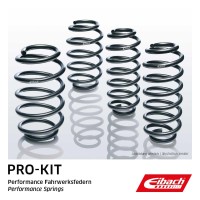
Eibach
Eibach Pro-Kit lowering springs Renault Megane (M) (E10-75-003-01-22)319.78€ VAT included
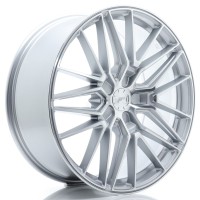
JR Wheels
JR Wheels JR38 21×9″ 5x112 ET21 Silver Machined584.10€ VAT included
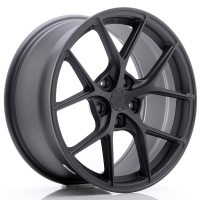
JR Wheels
JR Wheels SL-01 18×8.5″ 5x114.3 ET42 Matt Gun Metal CB67.1342.20€ VAT included

Milltek
Milltek Sport Audi S4/S5 B9 Sport Diff without Brace Bars - Non-Resonated (Louder) Cat-Back Exhaust System with Quad GT-100 Titanium Trims (SSXAU702)3,776.99€ VAT included
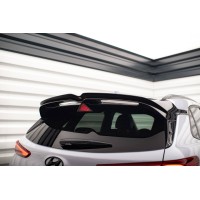
Maxton Design
Maxton Design Spoiler Cap Hyundai Kona N Mk1 (HY-KO-1-N-CAP1G)142.83€ VAT included

ST
ST Wheel spacer (56010069)167.58€ VAT included
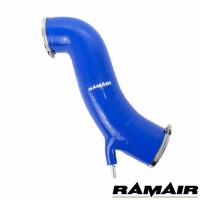
Ramair
Blue Ramair Silicone Intake Hose - Ford Fiesta ST 180 MK7 Ecoboost (RIP-180-BL)89.64€ VAT included
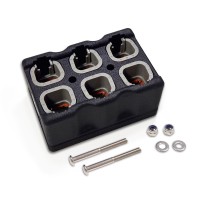
HG Motorsport
HG Motorsport CBD06 - CAN bus distributor (CC22106)137.83€ VAT included

Vossen
Vossen HFX-1 19×9,5″ 5x114,3 ET25 Gloss Black942.82€ VAT included
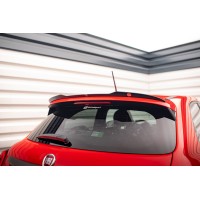
Maxton Design
Maxton Design Spoiler Cap Fiat 500X Sport Mk1 Facelift (FI-500X-1-CAP1G)142.83€ VAT included
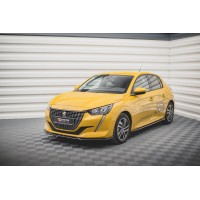
Maxton Design
Maxton Design Front Splitter V.2 Peugeot 208 Mk2 (PE-208-2-FD2G)197.38€ VAT included
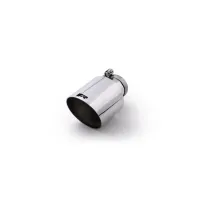
Remus
Remus Tailpipe Chrome182.90€ VAT included
Eibach
Eibach B12 Pro-Kit complete suspension kit MB C-Class (S203) (E90-25-001-08-22)1,379.42€ VAT included
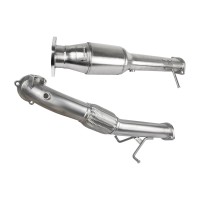
Bull-X
Bull-X Downpipe 3″ Ford Focus RS/ST Mk2 / Volvo C30 2.5 T5 | ECE catalytic converter - for RS model (HGDPFO03-3)1,305.80€ VAT included
 0 item(s) - 0.00€
The markings on a part answer the question every customer asks first — but one of them looks like an approval and is not.
Almost every order starts with the same question: can I actually drive with this? The answer is printed on the part — but in a shorthand that is easy to misread. Here is what the markings mean, and where the common trap is.
An ECE number is a type approval issued under the United Nations Economic Commission for Europe regulations. For replacement exhaust systems the relevant one is ECE R59.
What matters in practice: an ECE-approved part is recognised across Europe. It carries a stamped approval number, it comes with paperwork, and in most cases it is fitted without any individual inspection. If road legality is your main concern, this is the marking to look for.
An Allgemeine Betriebserlaubnis is issued by the German KBA for a specific part on a specific list of vehicles. The part may be fitted without an individual inspection, but the ABE document must be carried in the car, and it usually names conditions — a wheel size, a tyre type, a particular model year.
An ABE is a German document. Outside Germany it is normally accepted as evidence, but it is not automatically an approval in the same way an ECE number is.
A Teilegutachten is a technical report, not a permit. The part is fitted, then presented to an inspector — TÜV, DEKRA or an equivalent body — who checks the installation and signs it off. Only after that entry is the car legal with the part on it.
This is the most common form for suspension and body components. It is not a problem — it simply means one appointment is part of the job.
This is where most misunderstandings happen. A Materialgutachten certifies the material a part is made from — that the plastic meets a defined standard, that it behaves predictably in an impact. It says nothing at all about whether the part may be used on a public road.
The document carries the letters TÜV, and it is genuine. But it is a material certificate, not a road approval. A front splitter sold with a Materialgutachten and nothing else still has to be assessed on the car, exactly as if it had no paperwork.
If a description says only "TÜV certified", read further. If the word is Materialgutachten, that is a material certificate.
Some parts carry nothing, and the manufacturer says so plainly — no road approval, race use only. These are made for closed circuits. They are legitimate products, and we sell them, but they are not intended for public roads, and no inspector will sign one off.
In the exhaust sections you will find a Road approval filter with two values: ECE approved and Not road legal. The marking comes from the manufacturer's own product designation — we do not add or interpret it. A product without either value simply has no marking stated by the manufacturer; ask us and we will find out before you order.
Vehicle inspection in Luxembourg is carried out by the SNCA. Modifications generally have to be documented, and the exact requirement depends on the part and on the car. We do not guess about this: if you tell us the vehicle and the part, we will tell you what paperwork comes with it, and what an inspection will expect to see.
The quickest way is a message on WhatsApp with your registration document and the part you have in mind.